How do you know where to begin with astronomy and stargazing?
Stargazing can seem daunting when you’re new; it can seem like there’s so much to know and learn. It can be especially tricky if you’re unused to using a telescope.
We’ve been where you are now, we’ve listened to your questions about getting started in astronomy, and we’ve got your back. Read on for some answers in the form our best new telescope tips and advice.
Top tip for stargazing beginners: preparation makes perfect
It’s natural to feel excited when you have a new telescope. You want to unbox it and start using it right away.
We’re often asked “How can I see more with my telescope?” Out of all our top tips, our expert advice is that preparation is vital.
Read the telescope instructions. Yes, the instructions can sometimes be wordy or tedious, but you’ll benefit from reading them. They will help you set up the telescope, tripod, and mount, as well as the finder scope and your eyepieces.
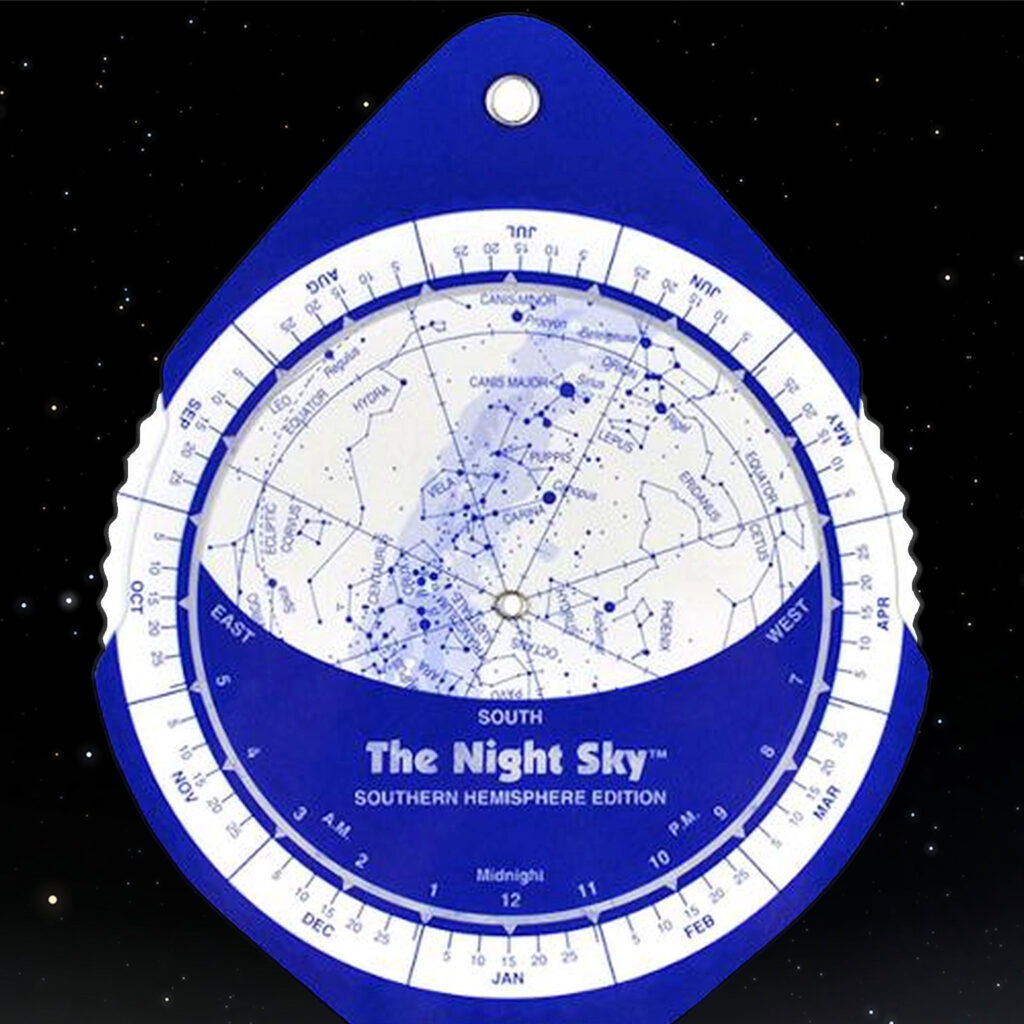
Know what you want to see. Knowing in advance if you want to look at the Moon, bright planets, or other celestial targets is always helpful. Check out Astrotourism WA’s What’s Up in the Night Sky? guide for stargazing highlights throughout the year. We also suggest you get your hands on a planisphere; it shows you what’s up every night of the year.
Know where you’re going. If you’re taking your telescope on the road, check whether you’ll have to carry your scope for any distance to your stargazing spot, and if you’ll have access to power once there, if you need it.
Why you should make time for practice with your telescope
When is the best time to practice using your telescope? During the daytime!
This is because it’s much easier to learn all its parts and how to use your telescope when you can clearly see what you’re doing.
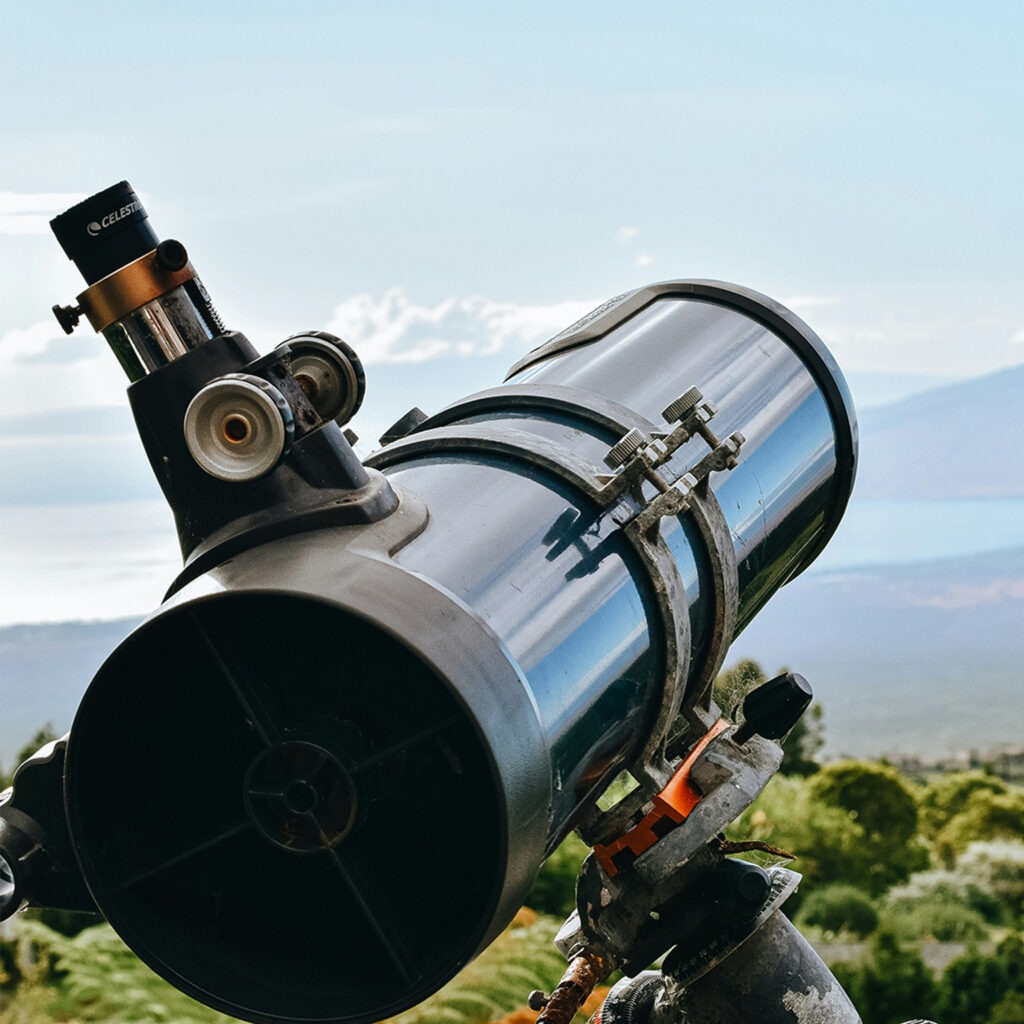
You should practice using your finder scope in daylight. Your finder scope might have a red-dot finder or crosshairs in the centre. You don’t need to look at faraway star clusters; start by choosing a distant building or tree.
The most important step: line up your finder scope with your telescope tube.
First, look through your telescope’s eyepiece and focus on a distant object, such as the top of a light pole. Then, use the knobs or screws on the finder scope to centre the same object on the red dot or crosshairs.
Once you have mastered finding targets, practice focusing your eyepiece – or eyepieces – for a clearer view.
Important safety advice: Never look at the Sun directly. It can, and probably will, cause permanent eye damage or blindness. When using optical aids, such as telescopes, binoculars, or cameras to view the Sun, you must always use properly installed specialist solar filters.
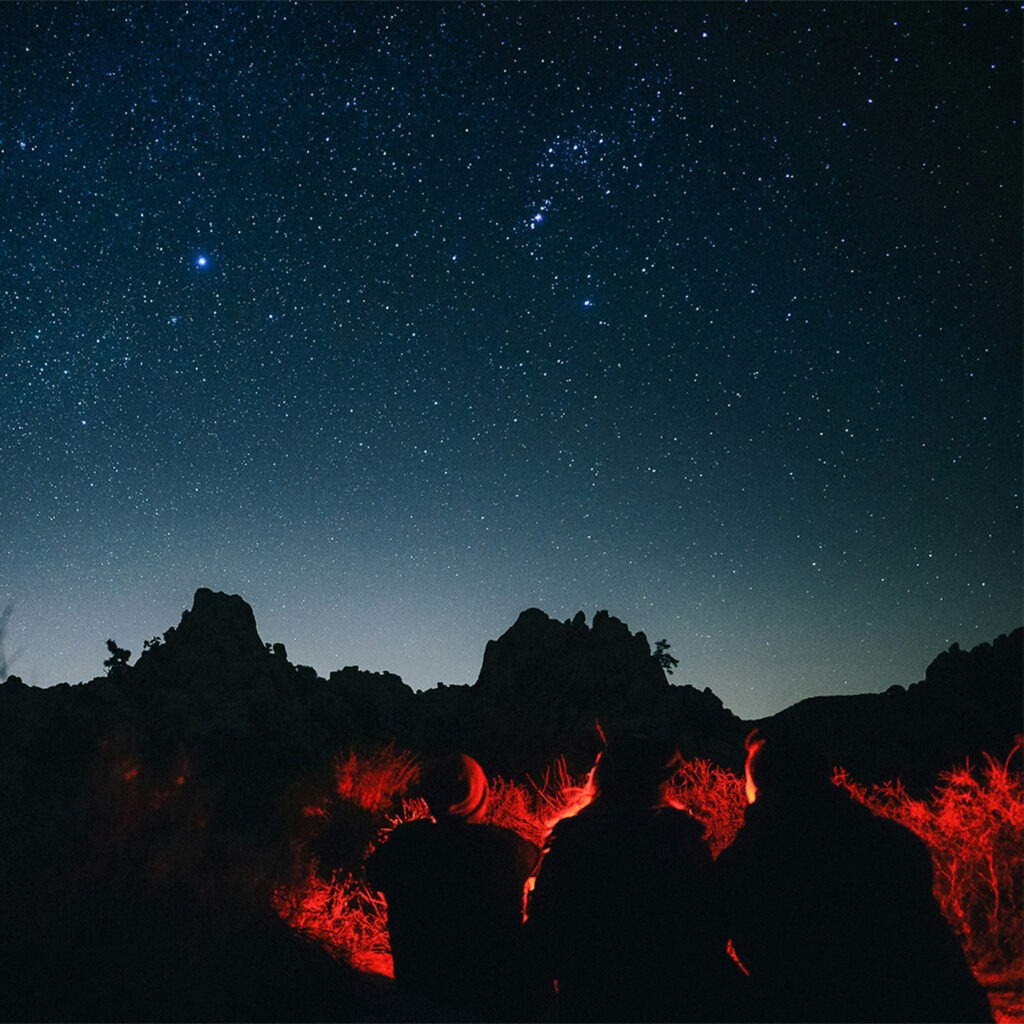
Why is it important to get used to being in the dark?
Valuable advice from expert stargazers and astronomy guides is to get used to being in the dark, without a torch. When you’re out stargazing, your eyes will quickly adapt to the dark.
Many modern humans don’t spend much time in darkness. Our communities are usually well-lit, our houses and our neighbouring houses often have outdoor lights and security sensors, and most of us are rarely without our phones, if only for their torches.
The only light you should use when you’re out stargazing is a red light torch. The red light won’t affect your night vision, and you’ll be surprised after a little while how much you can see.
Once you’re familiar with using your telescope in the daylight, you can start practising setting up your telescope in the dark.
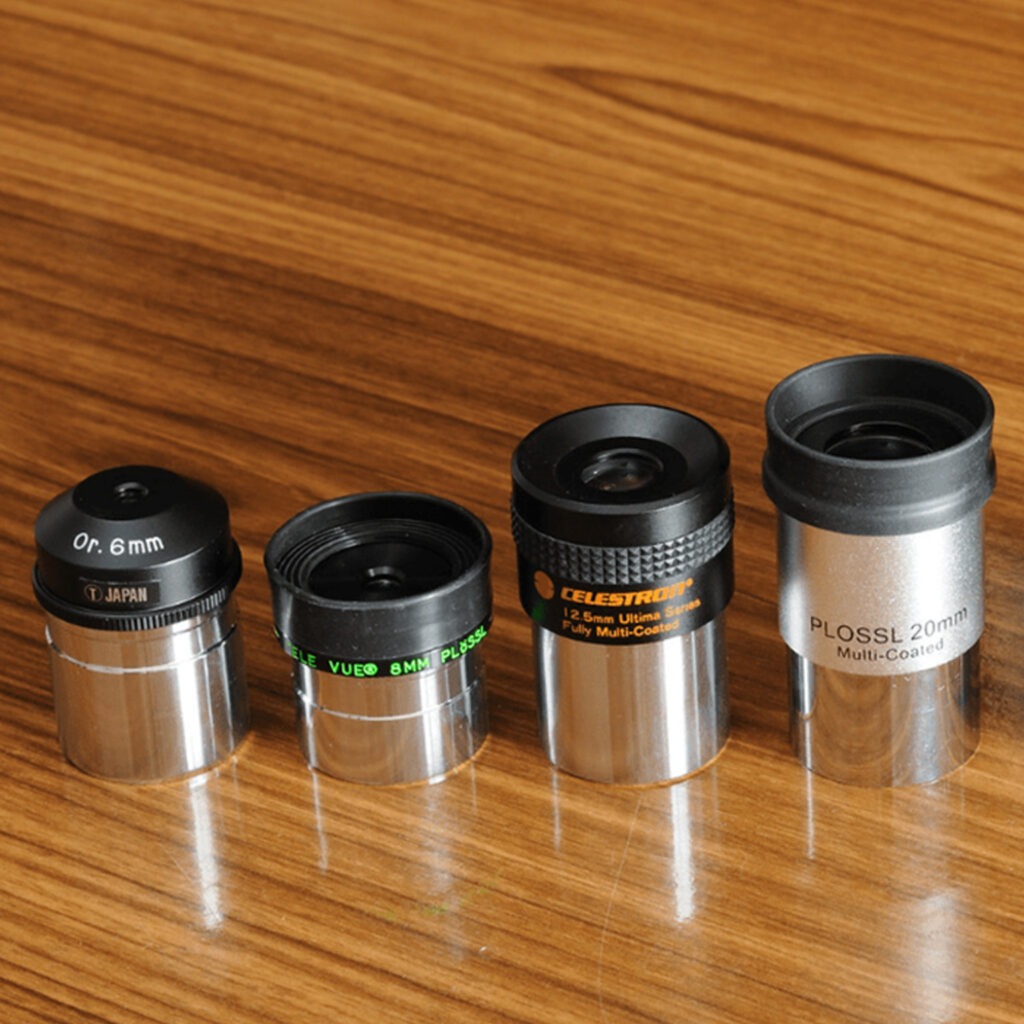
A question we’re frequently asked at our BYO Telescope nights is “what is the best eyepiece for my telescope?”
Our advice? When it comes to choosing an eyepiece – or choosing a telescope – low magnification is best to begin with. This is one of our top pieces of advice: use your eyepiece marked with the largest number.
The number, which is marked on your eyepiece in millimetres, refers to the eyepiece’s focal length. In this case, a larger number means a lower magnification.
Sometimes people think that more magnification must be better, but when you’re new to your telescope, you’ll find that a lower magnification makes finding your targets easier and gives you a clearer view.
Another useful piece of advice for your new telescope is to go slow. Stargazing rewards patience, so don’t rush: take your time moving your telescope, and focus it slowly.
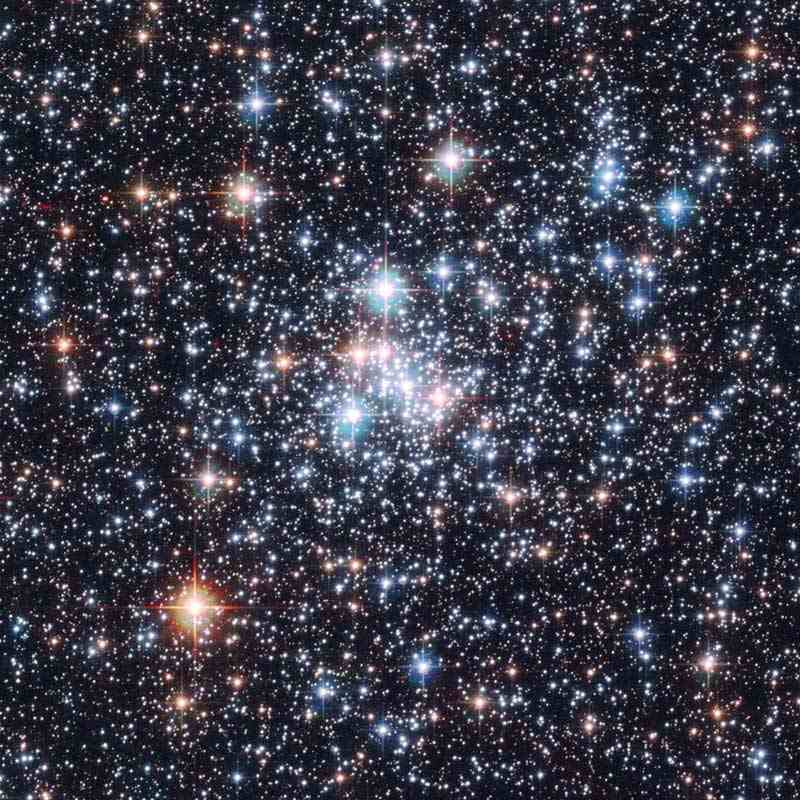
Why it's important to manage your expectations
When you’re new to stargazing, managing your expectations is always good advice.
We live in a gilded age of spectacular sights from space, courtesy of Hubble or the James Webb Space Telescope. With breathtaking photographs beamed directly into our homes, or the devices in our pockets, it’s tempting to think we’ll see these same sights through our own telescopes.
The high-resolution, dramatic and colourful photos you see are made possible by powerful, high-tech equipment, often capturing images in different wavelengths, and hours spent on processing.
Make no mistake, stargazing is wonderful and often is breathtaking, but in different ways: because you’re seeing it for yourself. With a relatively small telescope, you can still readily see the colourful stars of the Jewel Box Cluster, as well as the colours of planets like Mars, Saturn, and Jupiter.
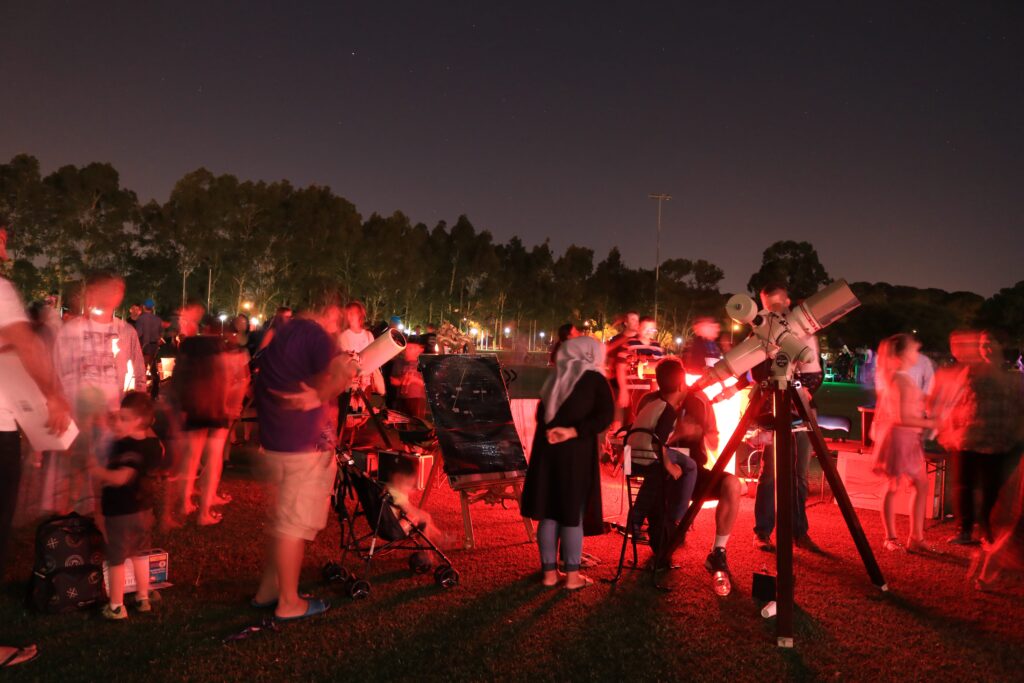
We think that joining Western Australia’s growing stargazing community is a great idea when you have a new telescope. Stargazers Club WA can help you discover the stars in a supportive group environment.
Come along to our dark sky nights, focusing on stargazing and learning tips for using your telescope in a relaxed and friendly setting. Or check out our fun and informative BYO telescope evenings, dedicated to helping you discover how to better use your telescope.
Experts agree that you’re more likely to stick with a new hobby, like stargazing, when you’re part of a community. That’s why we’re a stargazers club: we care about bringing together people with a shared passion.

Jay Chesters
Jay Chesters is an award-winning wordsmith and science communicator with a little bit of a thing for the stars.
A cosmic storyteller with a love for astronomy and space that's out of this world, Jay’s always eager to share his knowledge and passions.
Start your stargazing journey with us
A sense of community helps us live healthier, more fulfilling, and happier lives. Join Stargazers Club WA and join Western Australia’s growing stargazing community.