Have you heard about the super blood wolf moon?
In Shakespeare’s Romeo & Juliet, Juliet famously says, “That which we call a rose by any other name would smell as sweet.”
It’s a line often quoted, and we understand what she’s saying. Romeo could have a family name other than Montague and he’d be the same person. You can call a rose a turnip, but the name doesn’t affect how its scent.
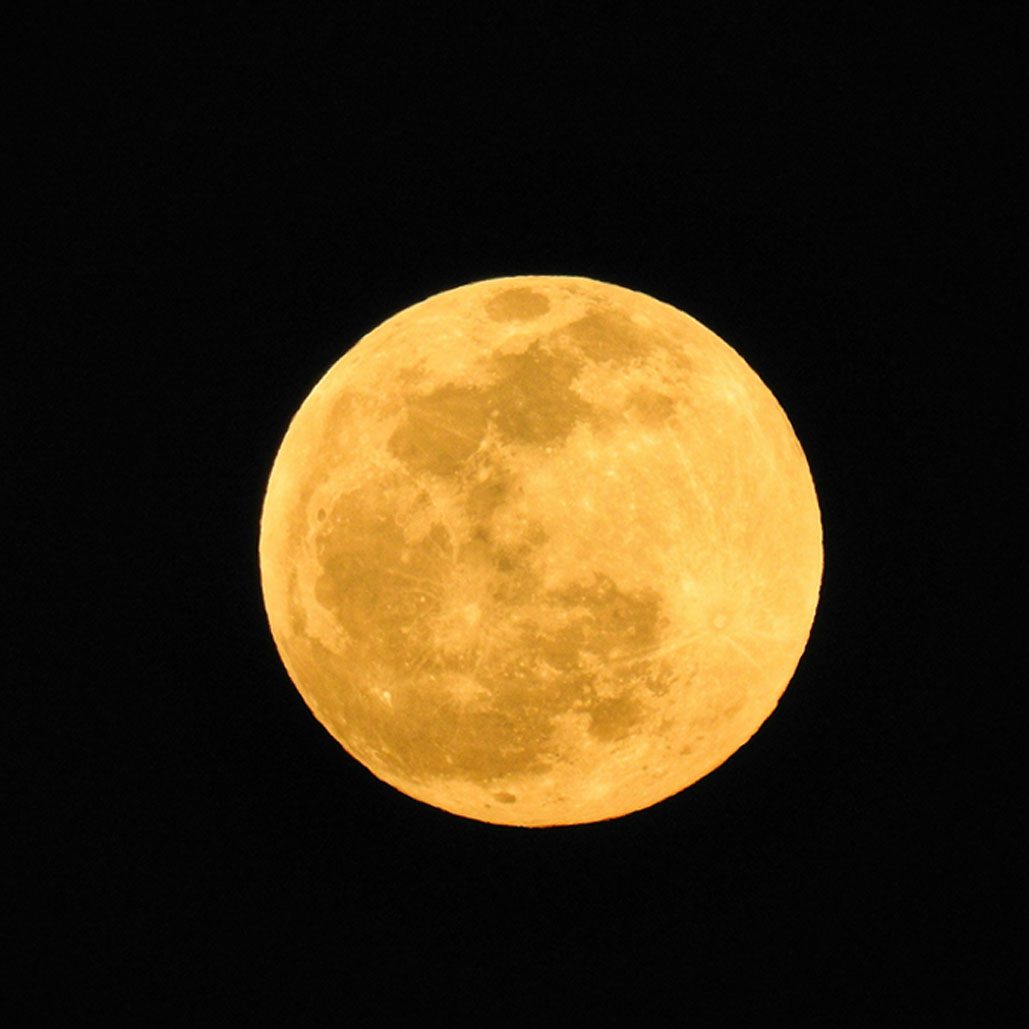
There are blue moons, micromoons, a strawberry moon, and even a super blood wolf moon. You might hear people using these lyrical names for the Moon at various times throughout the year, but what do they mean? Where do they come from, and does a moon by any other name affect how it looks?
Finding historical context for names
For centuries, people have been publishing lists of Northern Hemisphere names for our steadfast lunar companion.
More recently, pop culture has adopted what were once seasonal or month names as specific names for each month’s full moon. Sometimes, people can interpret these names too literally.
Settler colonialists, soldiers, and explorers in 19th-century North America published some of the earliest recorded lists of these names: and they varied a lot.
By the 20th century, authors were still publishing lists they said came from “the Indians” (as if they were all one culture). This 1918 list from The American boys’ book of signs, signals and symbols bears almost no resemblance to earlier examples.
The moon in which we catch young seals
One instance of June’s “strawberry” nickname comes from the book History of the Ojebway Indians: with especial reference to their conversion to Christianity.
In the lands of the Ojibwe nation in Canada, wild strawberries ripen from May to October. The book also lists names for subsequent months, including raspberry and huckleberry, and two consecutive ‘falling leaf’ moons following August. Elsewhere, other names for June include hay, corn, mead, and moon in which we catch young seals. Almost no other lists mentions strawberries, but popular culture has seized on some names and not others.
It’s entirely possible that all names were recorded truthfully and without misunderstanding or mistranslation. However, we’re missing valuable context. We need to ask who gave these names, and when, and under what circumstances?
Even if we credulously take these lists at face value, cultural names aren’t astronomical names. But while the names might not necessarily be authentic, does our closest celestial neighbour look any different, according to its name? In short, whether it’s a strawberry or a mead moon, it looks the same. Instead, the names are more often isolated to their contexts.
What is in a name?
The Maine Farmers’ Almanac (a different publication to the Farmer’s Alamanac, which is still in print) published its own list of moon names in 1937. However, they instead credited “early English ancestors” for their remarkably familiar list.
More recently, contemporary authors may have created their own lists by subjectively taking content from sources like that 1937 almanac, randomly adding other content found elsewhere, and then citing that the names originate in Anglo-Saxon and Celtic folklore, or modern Pagan, New Age, and Wiccan traditions, often without evidence.
The more credible cultural names, however, do appear to have some historic precedent. For example, the harvest moon typically coincides with the Northern Hemisphere’s early Autumn harvest. Its name comes from the Germanic herbist-mānod (recorded by Charlemagne, circa 817–833 CE) and predates the Mayflower’s voyage to the New World by nearly 800 years.
Lunar eclipses and the blood moon
Some other popular names, such as a blue moon or a blood moon, have different origins to the lists purportedly from Native Americans. However common, they aren’t scientific terms.
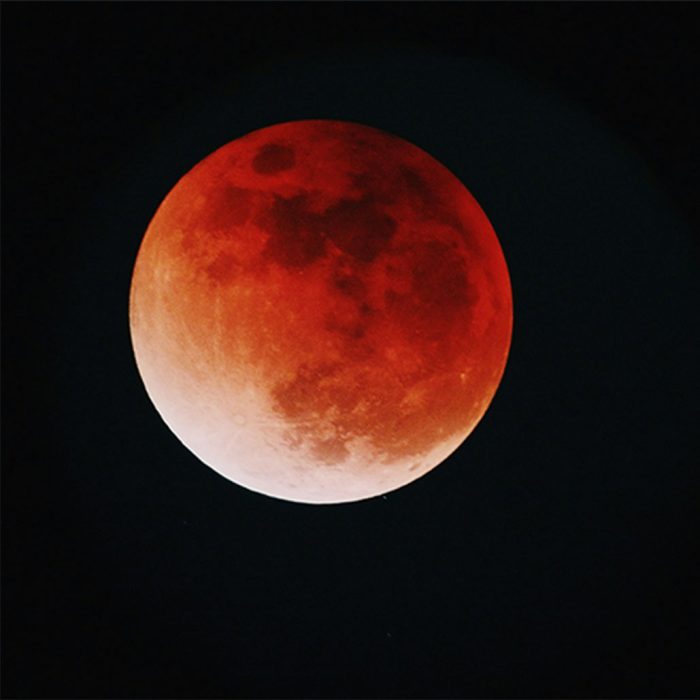
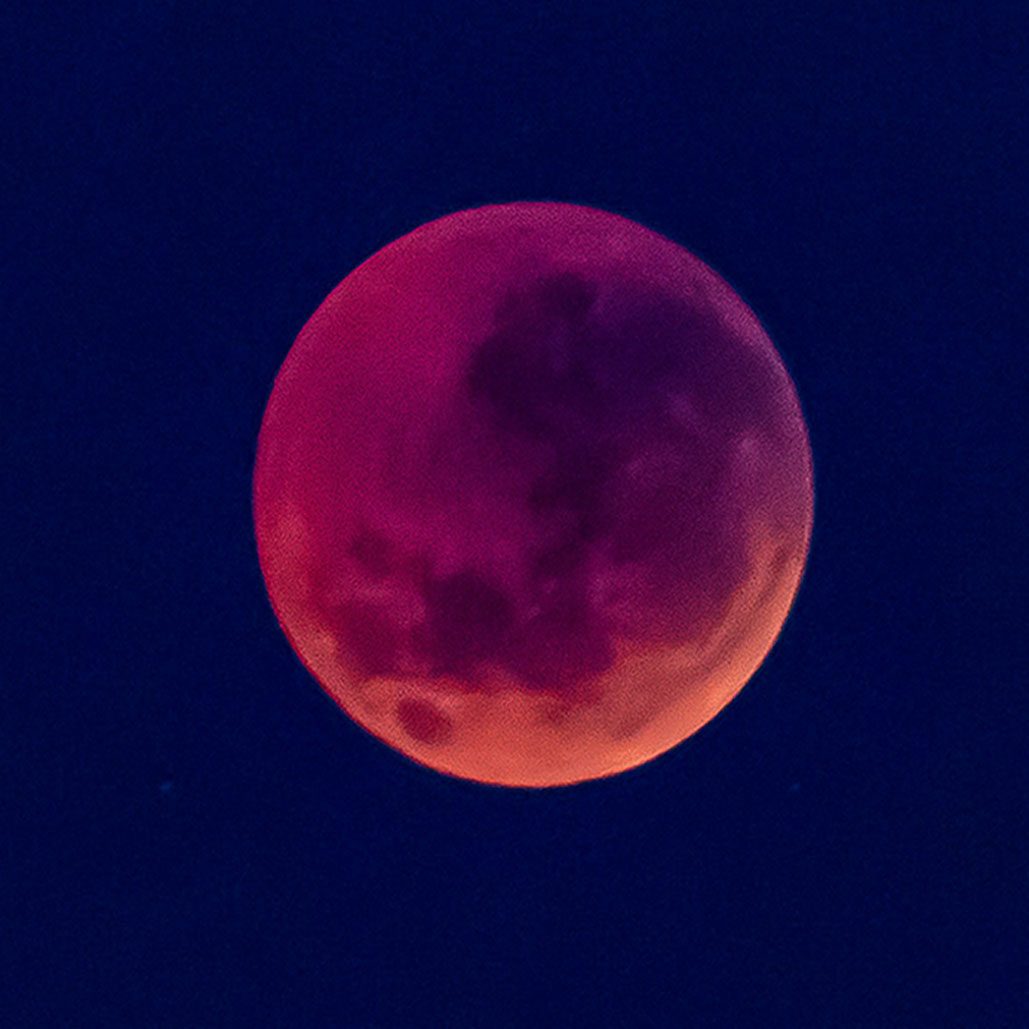
Outside of the lunar phases, like full moon and waxing crescent moon, the blood moniker is a rare occasion when its name directly relates to the Moon’s appearance.
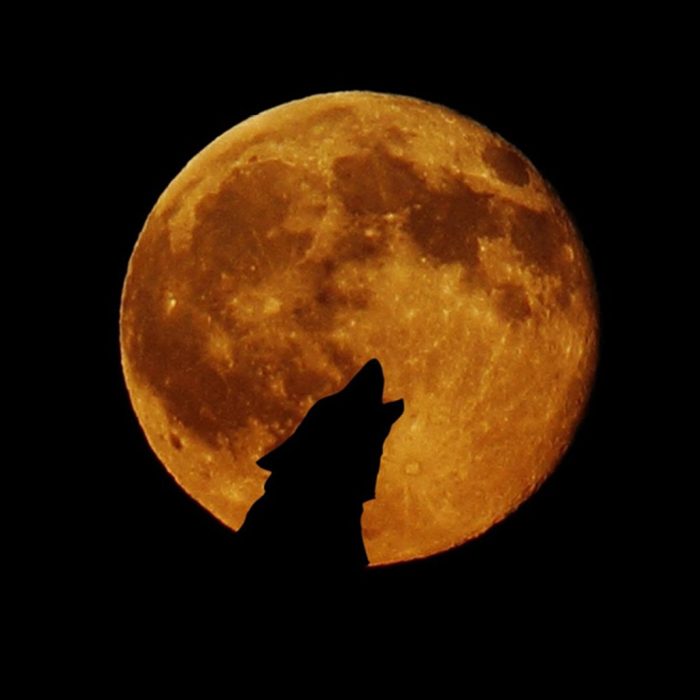
The increased popularity of the name blood moon is relatively recent, but it often refers to a real phenomenon. In a lunar eclipse (or occultation), the Moon sometimes appears to turn a reddish colour.
A total lunar eclipse occurs when the Earth moves directly between the Sun and the Moon. During the event, Earth blocks direct light from the Sun, and our atmosphere scatters most of the blue wavelengths of light. The lunar surface reflects the remaining red light, and the Moon may appear red-coloured in our sky.
Moons beyond our own
Some names also get combined, as in the case of the super blood wolf moon. That rare combination requires a lunar eclipse when your natural satellite is at its closest point to the Earth, happening in a month deemed to be the wolf moon by whichever source you take reference from.
Lyrical lunar names like this may not be scientific, but they do get attention, sparking interest and curiosity. We like anything that encourages more people to get outside and gaze up at the night sky.
It’s also worth mentioning that nearly all of the major planets in our solar system have moons, with Mercury and Venus being the only exceptions. At last count, Saturn had 274 lunar companions, including Enceladus and Titan.
Although astronomers have only given official names to 63 of Saturn’s moons, all 274 have formal designations like S/2009 S1. But spare a thought for Earth, which only has one moon: and its official name is “Moon.”

Jay Chesters
Jay Chesters is a wordsmith with a little bit of a thing for the stars.
A cosmic storyteller with a love for astronomy and space that's out of this world, Jay’s always eager to share his knowledge and passions.
see the moon under dark skies
Admire the craters and impacts on the Moon’s surface, or see the stars under a new moon’s dark skies. Whichever you choose, you can do it from one of WA’s top astrotourism towns.