A telescope is for life, not just for Christmas.
That’s perhaps not exactly how the saying goes, but what we mean is that it’s an enjoyable commitment. With a little ongoing attention and care, you’ll continue having happy adventures together.
Whether you got a new telescope for Christmas, or need a little guidance on looking after the one that you have, keep reading for our top tips around telescope maintenance.
Safe storage for success
Treat your telescope with care.
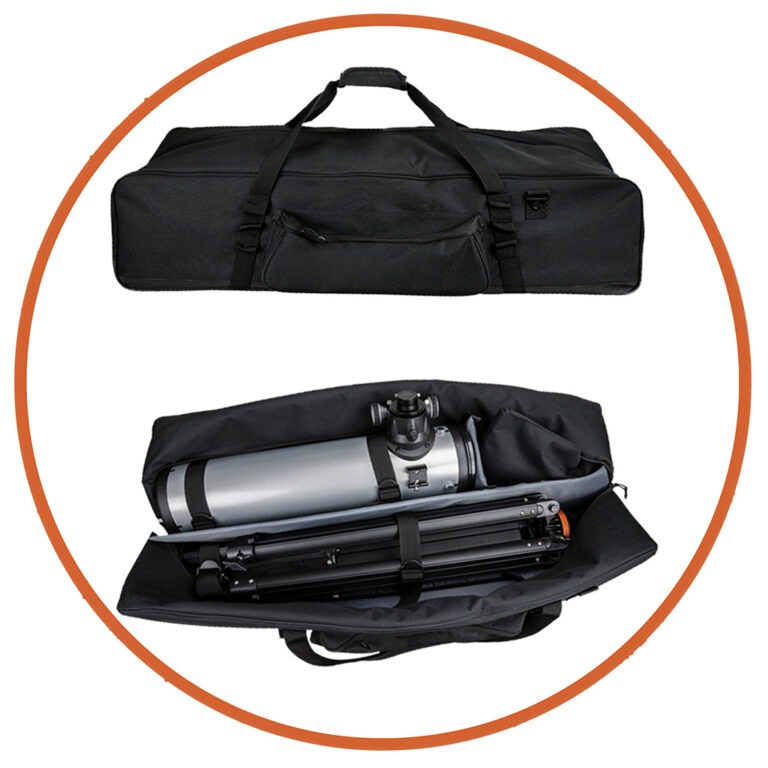
A padded bag large enough for your telescope, tripod, eyepieces, filters and accessories is a wise investment. It will protect your telescope from dust and moisture and very gentle bumps.
Store your telescope in a cool, dry place that keeps a stable temperature year-round. Extreme temperatures and large temperature swings will stress the optics and internal components, so we recommend keeping it somewhere like a cupboard.
High humidity can cause fungal growth, so if you live somewhere that experiences high humidity, take extra care and consider using moisture absorbers, desiccants, or a dehumidifier.
If you don’t use your telescope often, or pack it away for the winter, we recommend getting a hard storage case.
Your telescope’s lenses, eyepieces, and mirrors need care and very careful cleaning.
The best advice you’ll find for your telescope’s optics is don’t clean them too often. Less is more.
This is where ongoing care comes into telescope maintenance, because a little attention saves you worry and effort. Things get dusty, it happens. Trying and keep your telescope spotless, and you’ll do more harm than good.
Always keep your telescope’s lens cap on when you’re not using it. Likewise, keep caps on your eyepieces and store them in sealed, watertight containers when they’re not being used.
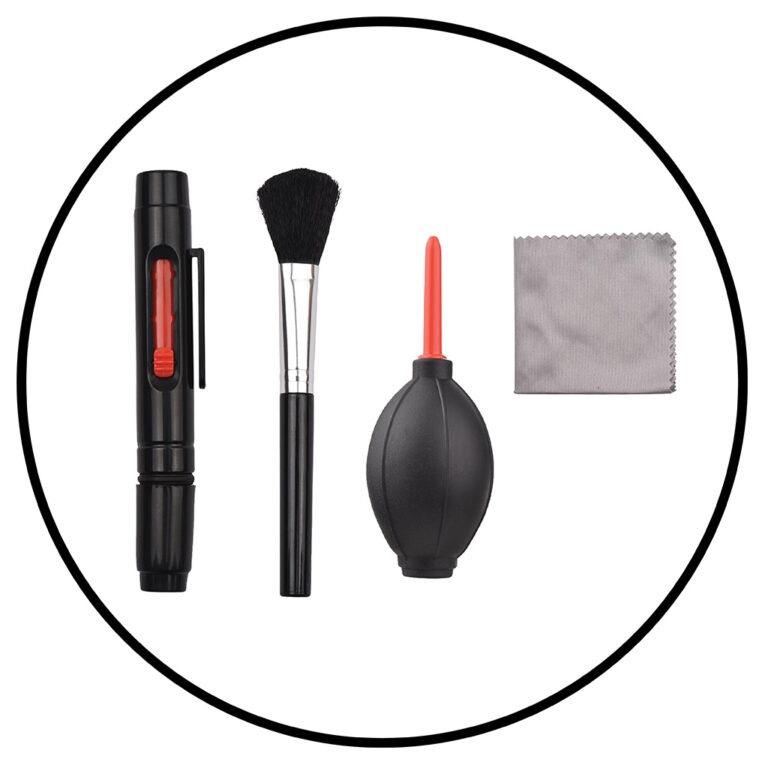
If you do need to clean your optics, always start with a bulb blower (to remove dust), then very gently brush away any remaining dust or debris with a photographic-grade camel hair brush.
Only use liquid cleaning solutions as a last resort, for stubborn oils like fingerprints.
Read Celestron’s professional advice for the process of cleaning your telescope’s optics, and consider picking up a telescope lens cleaning kit. Celestron and Saxon both have their own kits you can buy, or you can assemble your own.
Managing moisture
Condensation, or dew, can range from annoying to damaging.
The effects of dew vary depending on the telescope, but Optical Mechanics calls it “the quiet saboteur of astronomy.“
Dew (condensation) forms on a surface when it cools to or below the dew point of the air around it; more humid conditions means dew forms at warmer temperatures.
Under clear skies, temperatures can drop rapidly. Dew also readily forms on surfaces made of glass or metal which are often cooler than the surrounding air.
What does this means for your telescope? It’s frustrating when your vision fogs up, but in the long term, moisture from dew can damage optics, mechanics, and electronics.
With refractor telescopes, stargazers often find the lens quickly fogs up. In reflector telescopes, finder scopes and eyepieces are frequently affected by dew, as well as the flat secondary mirror.
What to do about dew: Check out conditions in advance, most weather forecast and astronomy apps give info on dew point and wind.
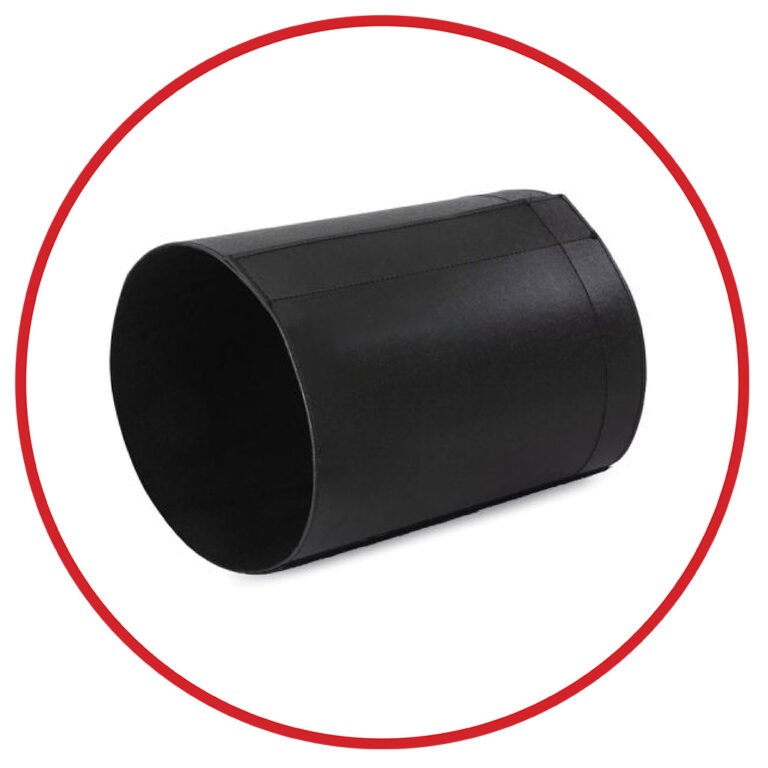
For your telescope, Optical Mechanics recommend dew shields and lens hoods as passive methods, and dew heaters are also popular, even if they require power.
You should also keep eyepieces capped when you’re not using them, and can try stowing them in pockets on your body to keep them warmer for when you want to use them.
Very important: when you get your telescope home, make sure that it’s dry before placing it in its case. Remove accessories and the dust cap, and wait until there’s no moisture on any surface before storing it. This might mean leaving it overnight.
Check out Backyard Stargazers’ post How To Stop Dew From Forming On Your Telescope? for more in depth info.
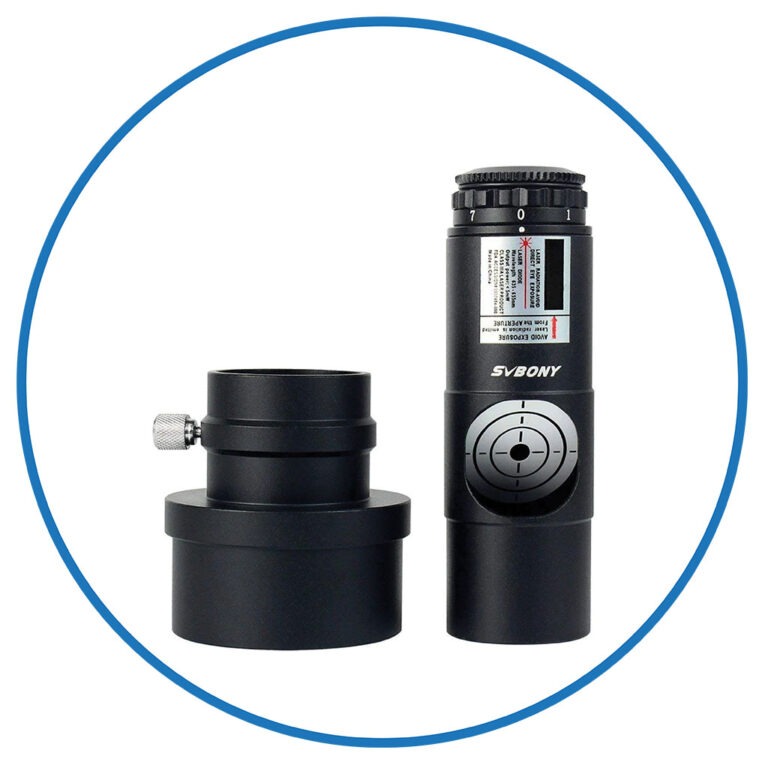
Collimation for reflecting telescopes
For reflector telescopes, regular collimation keeps your mirrors aligned.
Want to ensure you get the clearest views, the best usable magnification, and the sharpest contrast? If you use a Newtonian reflector telescope, check your collimation often. It’s especially important to check if you regularly move your telescope.
The word collimation sounds technical, but the process of tilting and aligning your telescope mirrors is so quick and easy when you know what you’re doing.
In summary, you need to position and tilt your telescope’s secondary mirror until it’s centred and properly angled under the focuser, and then tilt the primary mirror until its optical axis points directly up the focuser.
All the tools you need are a laser collimator, an Allen key for adjusting the secondary mirror, and a Phillips head screwdriver.
For a simple step-by-step guide for how to collimate, the helpful folks at Love The Night Sky have got you covered. Check out their blog post How to Collimate a Telescope.
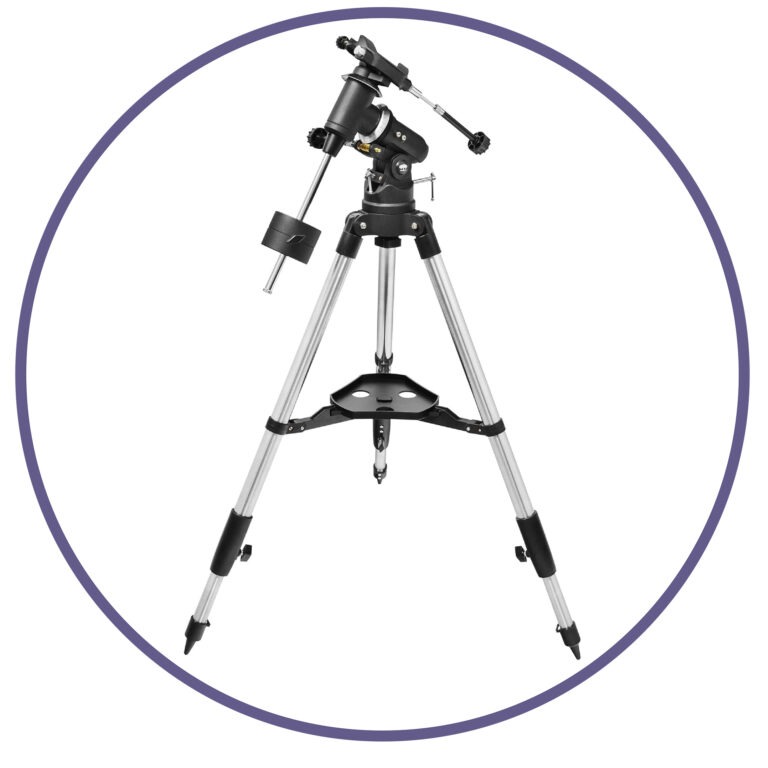
Take care of your mount and tripod
They’re not technically your telescope, but you should maintain the tripod and mount.
We’ve covered eyepieces, lenses, and mirrors, we’ve talked about proper storage, and we’ve done our dew diligence discussing condensation. But we need to talk about the mount.
It’s possible to maintain your telescope with the utmost care and devotion, and yet still neglect the mount: but its care is very simple.
Regularly check your mount for signs of wear & tear and damage. Check that nothing is loose that shouldn’t be loose, and that all moving parts move smoothly and freely. Gently clean the mount with a lint-free cloth to remove any dust and dirt.
Check that all your tripod’s legs extend and lock as expected, and retract as intended when needed.
You should periodically lubricate the mount and tripod’s moving parts, including gears and bearings, using your telescope manufacturer’s recommended lubricant.
If your telescope mount is motorised or computer-guided, store any batteries separately to the telescope when you’re not using it. Make sure the batteries are charged, and kept clean and dry. If your mount has an external power supply, check that it’s kept in good condition.
Want help with your telescope or its maintenance? Come to our next BYO Telescope night.
We come together every month for BYO Telescope Night, and our astronomy guides are keen to help you iron out any telescope issues or share advice on new equipment you’re thinking of buying. Non-members are welcome but bookings are essential.

Jay Chesters
Jay Chesters is a wordsmith with a little bit of a thing for the stars.
A cosmic storyteller with a love for astronomy and space that's out of this world, Jay’s always eager to share his knowledge and passions.
Get free entry to stargazers club events